Bell’s palsy is a fairly common disorder that is known for causing weakness on one side of the face. Speech-language pathologists are often asked to assess patients with Bell’s palsy,…
Category: <span>Speak (communication)</span>
I clearly remember how excited Steve was when he told me that he could use the bank’s automated phone system for the first time in years. He was one of…

Video can be a great supplement to aphasia therapy. I’m sharing five ESL (English as a Second Language) videos that we can use to teach verbs in aphasia therapy. These…
Learn to communicate better in dementia with the MESSAGE strategy from the University of Queensland. Each letter stands for a set of tips, which you can see demonstrated via YouTube…
As a speech-language pathologist, linguist, and fiction writer, I often notice how people communicate. And I often see people getting irritated when they can’t communicate easily. You may think that’s…
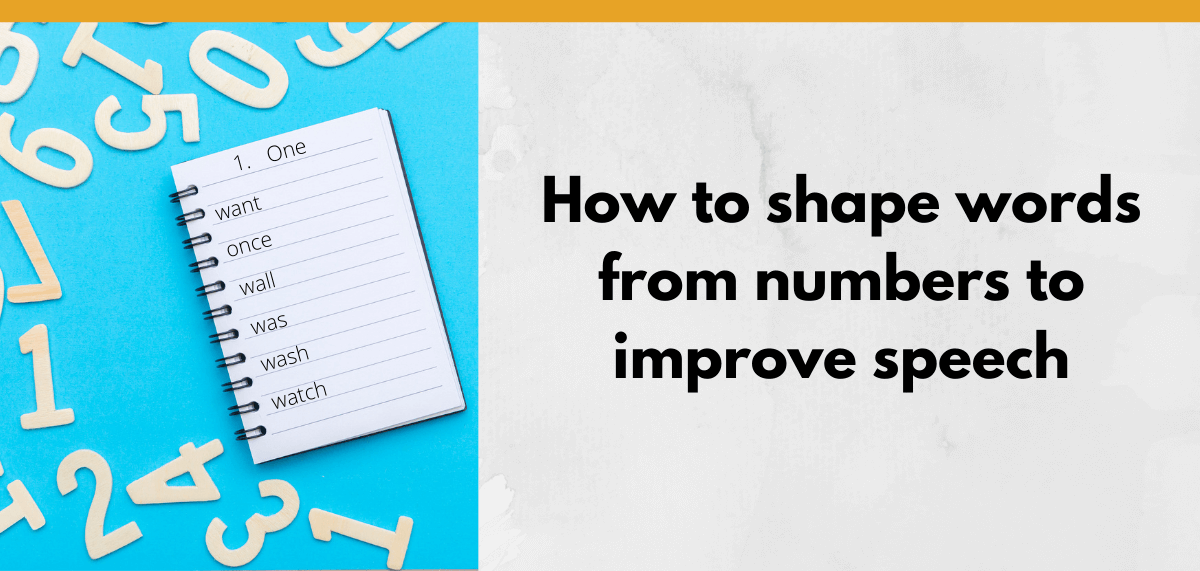
I recently worked with a patient who could count to ten fairly well, but could only say a few other words. For each number, I chose up to ten similar…
Learn how to communicate better with people living with Lewy body dementia (LBD). LBD is the second most common progressive dementia, after Alzheimer’s disease. It’s very difficult to diagnose and…
Ken was a quiet older gentleman who never initiated conversation. He had a great sense of humor, and would respond with short quips, but rarely said anything to extend a…
We can use easy discourse measures to demonstrate improvement that may not be detected by standardized measures. I don’t know about you, but I find it frustrating to know that…

Attentive Reading and Constrained Summarization (ARCS) is designed for people who have problems with word-finding, topic maintenance, or other cognitive-linguistic skills at the level of discourse. “Discourse” refers to verbal…